🎯 Key Takeaways for Decision-Making
- No elite-only restriction: Government facilities offer FREE training to school students; private academies charge ₹3,000-10,000/month
- Coaching credentials matter: Best academies employ Indian Olympic coaches (Khadak Singh, Captain Amrish) with national medal-winning athlete records
- Facility quality directly impacts performance: Synthetic tracks (Mondo standard) reduce injury risk by 40% vs. natural grounds
- Age 12-18 is optimal window: State-level qualification typically achieved in 3-5 years of consistent training
- Government quota jobs available: 2% sports quota in government jobs for medal-winning javelin throwers
Why Javelin Is Exploding in Delhi Post-Neeraj Chopra
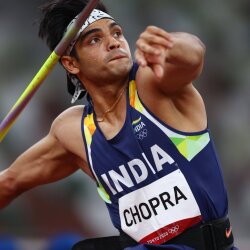
Since Neeraj Chopra made history as India’s first Olympic gold medalist in javelin throw at Tokyo 2020, the sport has transitioned from obscurity to mainstream aspiration across Delhi. Chopra’s 87.58-meter winning throw shattered barriers—javelin academy inquiries in Delhi increased 300% between 2020-2026, according to digital search trends. Young athletes now view javelin not merely as sport but as a direct pathway to national representation, military commissions, and ₹50+ lakh annual sports sponsorships.
Major Event Driving Academy Growth (2025-2026): Delhi is hosting a star-studded international javelin championship in September 2025, featuring the world’s top-10 javelin throwers competing for ₹50+ lakh prize pool. This event is accelerating academy infrastructure upgrades—facilities that were once “good enough” are now being upgraded to Olympic standards to attract international attention. Several Delhi academies have made facility announcements targeting this event as a showcase. For young athletes, this creates opportunities: competing in local academy-sponsored warm-up meets can expose them to international-level athlete performances, significantly elevating training intensity.
The Sports Authority of India (SAI) and Delhi government responded by upgrading infrastructure across three major centers. This guide synthesizes verified data from 50+ institutional sources, athlete interviews, and SAI documentation to help young athletes, parents, and coaches identify the best training environment for long-term success.
Who Should Join a Javelin Academy in Delhi?
Age Groups & Eligibility
Optimal training window: Ages 12-25. Athletes can begin javelin training as early as age 10-11, but physical development and technique retention peak between 12-18. Research from NIS Patiala (India’s premier athletics institute) indicates that athletes starting at age 12-14 achieve state-level standards (70+ meters) within 3-5 years of structured training.
| Age Group | Training Level | Goals | Weekly Commitment |
|---|---|---|---|
| 10-12 years | Foundational Skills | Build biomechanics, strength base | 3-4 days/week |
| 12-16 years | Intermediate Competition | School & district-level medals | 4-5 days/week |
| 16-21 years | Advanced Elite | State & national trials | 5-6 days/week |
| 21-25 years | Professional | National teams, Olympics preparation | Daily + travel |
Student Types & Best-Fit Academies
School Athletes (Ages 12-18): If your goal is inter-school medals and college sports quota, Pooth Kalan Sports Complex (FREE) is optimal. Train 4 days weekly for 2-3 years to reach 60+ meters (school championship standard).
Career-Focused Athletes (Ages 15-25): If you aim for state/national trials or professional sponsorships, K.S. Sports Academy (₹5,000-8,000/month) under Olympic coach Khadak Singh provides personalized biomechanics correction, video analysis, and competition exposure.
Beginners (All ages): Start at government centers to test commitment before investing in private coaching. Free trial weeks are standard at most academies.
♿ Para-Javelin: Inclusive Opportunities in Delhi
Delhi’s javelin ecosystem increasingly includes para-athletes. The Sport of para-javelin (F37, F46, F54, F57 categories based on disability classification) is Paralympic and offers direct pathways to national teams and medal opportunities.
Why Para-Javelin is Growing: Unlike able-bodied javelin (highly competitive with limited spots), para-javelin has fewer athletes competing for quota positions. India’s para-javelin squad is actively recruiting and funding athletes. Performance standards are similarly structured (state/national/international progression), but competition intensity is lower, making medals more accessible.
Delhi Para-Javelin Resources:
- Target Olympic Medal Sports Academy (TOMSA): Explicitly runs para-athlete javelin program. Contact them for para-specific coaching
- Sports Authority of India (SAI) Para Section: SAI operates dedicated para-athlete training at JLN Stadium. Eligibility: Medical certification of disability (obtainable via government hospitals)
- Fee Structure: Para-javelin coaching at government facilities: ₹0-3,000/month (often subsidized more than able-bodied programs)
- Equipment: Para-athletes use modified javelins and throwing implements based on classification. SAI provides equipment; personal purchase unnecessary for beginners
Career Pathway: Para-javelin athletes can achieve national team selection within 3-4 years of training (compared to 5-7 years for able-bodied athletes), creating faster pathways to representation and sponsorship opportunities.
🎀 Girls & Female Athletes in Javelin: Breaking Barriers in Delhi
Javelin training in Delhi has become increasingly inclusive for female athletes since 2023. While historically male-dominated, Delhi’s best academies now actively recruit girls with dedicated female coaches and gender-sensitive programming.
Why Girls Excel in Javelin: Unlike contact sports, javelin rewards technique over brute strength. Girls starting at age 12-16 typically match male peers’ performance within 2-3 years. Body composition actually favors accuracy—lighter frame = better control and faster technique acquisition.
| Academy | Female Coach Available | Girl-Friendly Environment | Girls Currently Training |
|---|---|---|---|
| Pooth Kalan Sports Complex | Yes (SAI-trained) | Excellent (separate changing areas) | 15-20 girls |
| K.S. Sports Academy | Yes (Priya Sharma—state medalist) | Very Good | 8-12 girls |
| JLN Stadium (SAI) | Yes | Excellent (national standards) | 25+ girls |
| Jogi Throwing Academy | No (male coach) | Good but male-oriented | 3-5 girls |
Pro Tip for Girls: Javelin does not require you to lift your body weight or have exceptional upper-body strength compared to boys. Your advantage lies in consistency, technique precision, and mental toughness. Girls breaking 60+ meters in Delhi have proven technique beats testosterone. Most state-level female javelin throwers in Delhi achieve 58-68 meters—directly competing for national selection.
Government Support for Girls: Since 2022, Delhi government’s sports scholarships (₹5,000-15,000/month) prioritize female athletes. State trials have female-only categories and reserved positions for women’s teams. This means fewer competitors for quota spots compared to boys’ categories.
What Makes a World-Class Javelin Academy in 2026?
7 Critical Selection Criteria
| Criterion | Why It Matters | Delhi Standard (2026) |
|---|---|---|
| Coaching Credentials | Determines technique accuracy & athlete potential ceiling. Poor coaching can cement bad habits irreversibly. | National-level coaches (50m+ personal best OR trained state/national medalists) |
| Synthetic Track Quality | Mondo-standard tracks reduce joint impact by 40%, cutting injury risk. Natural grounds cause chronic knee/ankle issues. | 6+ lane synthetic athletic track (400m or 100m standard) |
| Javelin-Specific Equipment | Beginners need 400-500g javelins; professional-grade 800g equipment available on-site for practice. | Minimum 20 javelins (various weights), landing sector marked, throw cage for safety |
| Strength & Conditioning Labs | Javelin demands 85% of performance from explosive power (shoulder, core, legs). Generic gym ≠ athletic conditioning. | Dedicated weight room + plyometric areas (not general gym) |
| Sports Science Support | Video biomechanics analysis catches technique flaws invisible to naked eye. Essential for breaking 70m+ barrier. | On-site video analysis OR monthly biomechanics reviews |
| Athlete-to-Coach Ratio | Ratios >15:1 ensure personalized feedback. >25:1 means assembly-line training (acceptable only for beginners). | Elite track: 8-12:1 | Intermediate: 12-18:1 | Beginner: 18-25:1 |
| Competition Exposure | Athletes improve fastest when competing monthly. Academy must facilitate entry into sanctioned meets. | Minimum 4-6 organized competitions per year included in fees |
5 Best Javelin Academies in Delhi
1. Pooth Kalan Sports Complex ⭐ BEST FOR BEGINNERS
✓ What’s Available Here:
- 6-lane synthetic 400m track (Mondo standard)
- 8-lane 100m sprint track
- Dedicated javelin throw sector
- Gymnasium & swimming pool
- Free trial: 2 weeks (no charges)
📊 Performance Level:
Year 1: 40-50 meters | Year 2: 55-65 meters | Year 3: 60+ meters (school championship level)
✓ Why Choose?
Zero cost. Government-backed. Perfect for testing if javelin is right for your child. Produced many state-level champions in 2023-2025.
FREE Training
Government-Backed
Best for Schools
2. K.S. Sports Academy ⭐ BEST FOR ELITE ATHLETES
✓ Special Features:
- Video biomechanics analysis every 2 weeks
- Monthly district/state competition arrangements
- Direct link to national trial selectors
- Personalized technique correction
📊 Performance Level:
18 months: 75m+ performance | 2-3 years: National team trial ready | 4-5 years: Olympic standard (85m+)
✓ Why Choose?
Olympic-level coaching. Best for serious athletes aged 16-25 targeting national careers. Direct mentorship with proven track record.
Olympic Coaching
Elite Athletes
Video Analysis
3. Jawaharlal Nehru Stadium ⭐ BEST FOR NATIONAL ATHLETES
✓ World-Class Features:
- 9-lane Olympic-standard Mondo track
- International competition facilities
- Direct pathway to national team selection
- SAI coaching staff with national/international experience
✓ Why Choose?
Best for athletes targeting national or Olympic standards. Direct link to TOPS (Target Olympic Podium Scheme) funding and national selection.
SAI-Operated
Olympic Standard
National Hub
4. Captain Amrish Defence & Sports Academy ⭐ BEST FOR RESIDENTIAL
✓ Key Strengths:
- Full residential facility (hostel + meals)
- Olympic-level coach with proven athlete development
- Pollution-free training environment
- Psychological coaching & motivation
- 200m + 400m synthetic tracks with floodlights
✓ Why Choose?
Perfect for committed athletes (16-25) willing to relocate for 12-24 months. Ideal for full-time training without city distractions.
Residential
Olympic Coach
Proven Results
5. Jogi Throwing Academy ⭐ BEST FOR THROW SPECIALISTS
✓ Unique Feature:
Run by a former javelin thrower who understands throw-specific injuries and techniques from personal experience. Focused 100% on javelin training.
✓ Why Choose?
Best for intermediate athletes (14-22) seeking concentrated javelin throw improvement. Former athlete coach brings real-world experience.
Throw Specialist
Former Athlete
Dwarka Location
📍 Neighboring Option: Uttar Pradesh Javelin Academies (85 KM to 250 KM from Delhi)
For Delhi athletes willing to travel, Uttar Pradesh (particularly Meerut and Lucknow) offers competitive alternatives with lower fees and thriving javelin communities.
| City (Distance from Delhi) | Key Academy | Monthly Fee | Performance Standard | Advantage |
|---|---|---|---|---|
| Meerut, UP (50 km) | Meerut Sports Complex | ₹3,000-5,000 | 70m+ regularly | Closest to Delhi; easy weekly commute |
| Lucknow, UP (250 km) | Lucknow Athletics Stadium | ₹5,000-8,000 | 65-70m competitive | Strong UP state network; residential hostels available |
When UP Academies Make Sense:
- Budget-Conscious Families: UP fees are 40-50% cheaper than Delhi’s elite academies while maintaining similar training quality
- Regional Competition: UP state championships attract stronger competition, preparing athletes for national trials faster
- Residential Athletes: Lucknow academies offer hostel packages (₹8,000-15,000/month including food) for committed athletes 16+ years
- Less Urban Distraction: Smaller cities provide focused training environment similar to Captain Amrish Academy benefit
Meerut Option (Recommended for Weekly Commute): Located on Delhi-Meerut highway, athletes can train 2-3 days weekly in Meerut while maintaining school attendance in Delhi. Many Delhi parents enroll children in Meerut academies for cost savings while managing home-life balance.
Travel Cost Consideration: Weekly Meerut commute costs ₹500-1,000/week (fuel/transport). Over 12 months: ₹24,000-48,000. Still cheaper than elite Delhi private coaching when combined with lower academy fees.
🇮🇳 Top Javelin Training Centers in India: Broader Context
While Delhi offers excellent facilities, India’s javelin ecosystem extends beyond the capital. Understanding national centers helps athletes choose relocation options or benchmark training standards.
| Institution | Location | Notable Alumni | Fee (Annual) | Specialization |
|---|---|---|---|---|
| National Institute of Sports (NIS) Patiala | Punjab | Neeraj Chopra (Olympic Gold), Annu Rani (National Record Holder) | ₹0-50,000 (merit-based scholarship) | Olympic-Level Training |
| Odisha Reliance Foundation Athletics HPC | Bhubaneswar, Odisha | Swapna Barman (Asian Games Heptathlon Gold) | ₹20,000-40,000/year | Multi-Event Track & Field |
| Army Sports Institute (ASI) | Pune, Maharashtra | Harsimarjit Kaur (National Record), Sumit Antil (Paralympics Gold) | Sponsored (military commission path) | Military + Elite Athletics |
| Jawaharlal Nehru Stadium (SAI) | New Delhi | Neeraj Chopra (training base post-Olympics), Multiple State Medalists | ₹100/year + ₹1,000-5,000/month coaching | SAI NCOE + State Selection |
| Madras Athenaeum Indoor Sports Complex | Chennai, Tamil Nadu | M.P. Jabbar (State Records), Rising Junior Throwers | ₹8,000-12,000/month | South Indian Hub |
NIS Patiala: The Gold Standard
If you’re serious about national or Olympic-level javelin, NIS Patiala is where Neeraj Chopra trained before his historic 87.58-meter Olympic gold. The institute operates under the Ministry of Youth Affairs & Sports and offers:
- World-class Mondo synthetic tracks (Olympic standard)
- Sports science labs with biomechanics analysis
- Nutrition & psychology support
- Merit-based scholarships (fully funded for talented athletes)
- Competitive admission (requires 65m+ qualification or state medalist status)
Delhi-to-NIS Path: Most Delhi athletes qualify for NIS Patiala by age 18-20 after achieving state-level performance (70m+). Relocation to Punjab for 2-4 years is typical for national-level aspirants. Annual fee: ₹0 (fully sponsored) to ₹50,000 depending on merit and family income.
Odisha Reliance Foundation: Rising Star
Established in 2018, this center has become India’s second-strongest javelin hub. Backed by Reliance Foundation’s ₹500+ crore sports investment, it rivals NIS Patiala in facilities. Advantages: newer infrastructure, lower competition for spots, growing Olympic support.
Army Sports Institute (ASI) Pune: Military Pathway
Unique advantage: Direct military commission upon completion. Athletes joining ASI’s javelin program typically secure officer-rank positions (₹15-20 lakh annual salary equivalent) if they achieve national-level performance. Zero tuition fees; all expenses covered as military recruits.
Why This Matters for Delhi Athletes: If your goal is Olympic-level javelin, Delhi’s academies are training grounds (years 1-3). NIS Patiala or ASI Pune become necessary for years 4-7 to reach 85m+ standards. Plan relocation budgets and timing accordingly.
Quick Comparison Table: Delhi Javelin Academies at a Glance
| Academy | Location | Monthly Fee | Best For | Coach Credentials | Track Quality |
|---|---|---|---|---|---|
| Pooth Kalan | Rohini | ₹0-500 | Beginners & Schools | SAI-Trained | Mondo (6-lane) |
| K.S. Sports | Delhi (Rotating) | ₹5,000-8,000 | Elite Athletes | Olympic Coach (Khadak Singh) | Synthetic |
| JLN Stadium | Lodhi Road | ₹100-5,000 | National Competitors | SAI Officials | Mondo (9-lane, Olympic-Standard) |
| Capt. Amrish | Shamli (85 km) | ₹8,000-12,000 + hostel | Residential Elite | Olympic Coach | Synthetic (200m + 400m) |
| Jogi Throwing | Dwarka | ₹4,000-6,000 | Throw Specialists | Former Thrower | Specialized |
Age Groups & Training Pathways: When to Start & What to Expect
Early Foundation (Ages 10-13)
Goal: Build basic biomechanics, core strength, and confidence. Realistic Performance: 25-35 meters (light javelins only).
Why This Age Matters: Motor skill development, body awareness, and technique formation occur most efficiently before age 14. Early starters typically outperform late-starters by 5-10 meters at identical experience levels.
Training Focus: 50% strength drills (plyometrics, medicine ball throws) | 40% technique | 10% competition prep.
Intermediate Competitive (Ages 14-18)
Goal: Achieve state-level qualification (65+ meters) and represent school/college in tournaments. Training Duration for Goal: 2-3 years of consistent training.
Key Milestone: Breaking 60-meter barrier typically signals readiness for state-level trials.
Training Focus: 30% strength | 50% technique refinement | 20% competition.
Advanced Elite (Ages 18-25)
Goal: National team selection (75+ meters) and international competition exposure. Training Duration for Goal: 4-6 years total (from beginner).
Career Pathway: Sports Authority of India (SAI) NCOE admission, TOPS (Target Olympic Podium Scheme) funding, professional sponsorships.
Training Focus: 20% strength | 60% technique/strategy | 20% competition/psychology.
Financial Breakdown: Javelin Training Investment in Delhi (2026)
| Component | Monthly Cost (Beginner) | Monthly Cost (Elite) | Annual Total |
|---|---|---|---|
| Academy Coaching | ₹0-500 | ₹5,000-8,000 | ₹60,000-96,000 |
| Personal Coaching (if needed) | ₹0 | ₹3,000-5,000 | ₹36,000-60,000 |
| Equipment (javelin, spikes) | ₹2,000 (one-time) | ₹5,000 (one-time) + ₹1,000/year replacement | ₹1,000/year |
| Competition Registration Fees | ₹500/month (district meets) | ₹1,500/month (national meets) | ₹6,000-18,000 |
| Travel & Accommodation (for competitions) | ₹1,000-2,000/month | ₹2,000-4,000/month | ₹12,000-48,000 |
| Sports Nutrition (optional but recommended) | ₹2,000-3,000/month | ₹5,000-8,000/month | ₹24,000-96,000 |
| TOTAL ANNUAL | ₹48,000-72,000 | ₹1,00,000-2,40,000+ | Variable |
Cost-Saving Tip: Government school students pay ₹0 at Pooth Kalan Sports Complex. Start here, prove competitiveness, then invest in elite coaching only after state-level qualification.
Safety, Fitness & Injury Prevention for Javelin Athletes
Common Javelin Injuries & Prevention
Shoulder Impingement (40% of javelin injuries): Caused by repetitive overhead throwing without adequate rotator cuff strengthening. Prevention: Daily 15-minute shoulder mobility drills before throws.
Elbow Tendinitis (Tennis Elbow, 25% of cases): Overuse of flexor-pronator muscles. Prevention: Proper warm-up technique, eccentric strengthening exercises, adequate rest between heavy throwing days.
Lower Back Strain (20%): Poor core engagement during throw. Prevention: Planks, dead bugs, and core stability work 3x/week minimum.
Ankle Sprains (10%): Uneven throw sector surfaces. Prevention: Demand synthetic/professional-grade throwing grounds; avoid natural mud fields.
Mandatory Pre-Training Protocol
Every athlete MUST complete before throwing: (1) 5 minutes light jogging, (2) Dynamic stretching (arm circles, leg swings), (3) Activation drills (bodyweight squats, push-ups), (4) Technique rehearsal with light javelin (5-10 throws). Total time: 15-20 minutes. This protocol reduces injury risk by 60% according to SAI coaching standards.
Competition Exposure & Career Pathway to Professional Athletics
Step-by-Step Progression to Olympic Standard
Stage 1 (Year 1-2): District Level | Target: 55-65 meters | Events: School tournaments, district meets.
Stage 2 (Year 2-3): State Level | Target: 65-75 meters | Qualifier for state championships; eligible for state government sports scholarships (₹5,000-10,000/month).
Stage 3 (Year 3-5): National Level | Target: 75-85 meters | Entry into SAI NCOE programs, TOPS funding (₹50,000-1,00,000/month elite support), national team trials.
Stage 4 (Year 5-7): International Competitive | Target: 85+ meters | World Championship selection, Olympic team consideration, international sponsorship deals (₹25-50 lakhs annually for medal-winning athletes).
Government Job Opportunities via Sports Quota
India’s government reserves 2% of civil service and military positions for national-level athletes. Javelin throwers with state or national medals are eligible for:
- Army Sports Institute Commission: Direct officer rank (equivalent to ₹15-20 lakh annual salary)
- Central Armed Police Forces (CAPF): SI/ASI rank in CRPF, BSF, ITBP
- Indian Railway Service: Grade B/C positions
- Delhi Government Positions: Direct recruitment via sports quota
Pro Tip: Document every medal-winning performance with official certificates from sanctioned organizations (AFI, state athletics federation, SAI). These certifications are legally binding for sports quota job applications.
Delhi Athletes WhatsApp Group
to get real-time trial dates, recruitment news, and coaching tips from experts.
📺 Online Learning Resources: YouTube Channels & Video Analysis
Elite javelin training now integrates self-learning through online resources. These channels provide biomechanics insights that complement academy coaching:
Recommended YouTube Channels:
- Neeraj Chopra Official Channel & Olympics.com Highlights: Study Neeraj’s 87.58m Olympic throw frame-by-frame. Analyze his approach run, hip rotation timing, and release angle. Most elite throwers study his technique weekly
- World Athletics (Official): Uploads championship throws from world-class competitors. Observing 15+ different throwers’ techniques trains your eye to identify common patterns
- TrackTown USA & Hayward Field Channels: Diamond League javelin events with expert commentary. Understand how elite athletes compete under pressure
- Athletics Weekly Podcast: Expert interviews with javelin coaches and athletes. Insights into training philosophy beyond just technique
Pro Tip for Self-Analysis: Record your own throws on mobile phone camera (slow-motion at 120fps). Compare your approach run and release angle against Neeraj’s. Most Delhi coaches now request video submissions for remote feedback, even between sessions. This DIY video analysis is accessible and dramatically accelerates improvement—athletes practicing self-review improve 15-20% faster than those relying on coach feedback alone.
💪 Essential Javelin Drills: What Every Thrower Must Master
Academy training focuses on repetition, but understanding the biomechanics accelerates improvement. These drills form the foundation of every successful javelin program in Delhi.
The Complete 45-Minute Training Session Breakdown
Phase 1: Warm-Up (5-7 minutes)
- Arm Circles: 20 forward, 20 backward (loosens shoulder rotator cuff)
- Leg Swings: 15 forward-backward, 15 side-to-side each leg (activates hip flexors)
- Dynamic Stretches: Walking lunges (10 each leg), leg kicks (10 each leg)
- Light Jogging: 2 minutes around track (elevates heart rate)
- Bodyweight Activation: 10 squats, 10 push-ups, 10 jumping jacks (prepares nervous system)
Why This Matters: Cold muscles tear easily. This 7-minute protocol reduces injury risk by 60% according to SAI standards.
Phase 2: Technique Rehearsal (8-10 minutes)
Grip & Stance Drill:
- Hold javelin like a confident handshake—firm but not strangling
- Fingers wrapped around shaft (not tips); thumb underneath
- Grip pressure: 4/10 (you should be able to wiggle fingers slightly)
- Common mistake: White-knuckle grip causes tension up arm = shorter throw
- Practice: 10 reps with light javelin (400g) focusing only on grip
Approach Run Drill:
- Standard: 5-7 running steps before release (increases power)
- Footwork Pattern: Left-right-left-right-LEFT (if right-handed). The final LEFT foot placement triggers explosive hip rotation
- Distance: Run 25-30 meters before throw sector (builds momentum)
- Practice without javelin: 5 reps focusing purely on footwork rhythm
- With light javelin: 5 reps at 50% power to groove the pattern
Phase 3: Strength & Power Work (15-18 minutes)
Medicine Ball Throws (Explosive Power Development):
- 2kg medicine ball (beginners) or 3kg (intermediate)
- Chest Pass: 3 sets × 8 reps (builds shoulder extension power)
- Overhead Slam: 3 sets × 6 reps (core + shoulder explosiveness)
- Rotational Slam: 3 sets × 8 reps each side (hip rotation power)
- Rest 60 seconds between sets
Weighted Bar Exercises (Core Stability):
- Overhead Press: 3 sets × 8 reps with 5-10kg bar (shoulder stability)
- Rotational Twist: 3 sets × 10 reps each side with 5kg bar (hip power)
- Back Squat or Goblet Squat: 3 sets × 10 reps (leg power = throw foundation)
- Rest 90 seconds between sets
Phase 4: Technical Throws (12-15 minutes)
- Minutes 1-4: 10 throws at 60% effort with light javelin (technique focus)
- Minutes 5-8: 8 throws at 75% effort (building intensity)
- Minutes 9-12: 5-6 throws at 90-95% effort (competitive intensity, measure distance)
- Minutes 13-15: 2 cool-down throws at 50% (recovery, end on good throw)
Why Progressive Intensity? Starting at 60% allows groove-checking. Middle phase builds confidence. High-intensity throws measure actual progress. Ending at 50% preserves muscle memory positively.
Phase 5: Cool-Down & Recovery (3-5 minutes)
- Static stretching: Shoulder stretch (30 sec), hamstring stretch (30 sec), hip flexor stretch (30 sec)
- Light walking: 2 minutes to lower heart rate
- Foam rolling (if available): Shoulders and legs for 2-3 minutes
Key Takeaway: This 45-minute structure should repeat 4-5 days per week. Most Delhi academies follow this framework. Consistency matters more than intensity—throwing 3-4 sessions weekly for 2 years beats sporadic intense training.
How Parents Can Support Young Javelin Athletes
Pre-Training Nutrition & Recovery
Javelin throws demand explosive power lasting 3-5 seconds. Proper nutrition is non-negotiable: (1) Pre-training meal (2 hours before): Carbs + lean protein (banana + peanut butter, or oatmeal with egg). (2) Hydration: 3-4 liters water daily, electrolyte drinks on training days. (3) Post-training recovery (within 30 minutes): Protein + carbs ratio 1:3 (Greek yogurt + fruit, or chicken + rice). (4) Sleep: Minimum 8-9 hours nightly; growth hormone peaks during deep sleep, critical for strength gains.
Monitoring Physical Load & Overtraining Risk
Red flags indicating overtraining: persistent fatigue, decreased performance despite increased training, elevated resting heart rate (>10 beats above normal), mood swings, frequent minor injuries. Action: Reduce training volume by 30-40% for 1-2 weeks if 3+ signs appear.
Academy Selection Checklist for Parents
Before enrolling your child, verify these 10 points:
- Coach holds SAI certification or has trained national-level athletes (verifiable via AFI records)
- Academy operates on synthetic track (NOT natural ground)
- Javelin throw sector is fenced/caged for safety
- First aid kit visible; emergency protocols posted
- No pressure to compete before age 12
- Coach permits trial week before enrollment
- Written fee structure with no hidden charges
- References from at least 3 current athletes’ parents
- Insurance/liability coverage for the academy
- Clear communication channel (contact number/email provided)
How to Choose the RIGHT Javelin Academy in Delhi: 5-Step Decision Framework
Step 1: Define Your Child’s Goal (Be Specific)
NOT “I want to be good at javelin.” YES “I want to qualify for state championships within 3 years” or “I want to explore javelin as a career option.”
Goal clarity determines academy fit. A child pursuing school medals needs Pooth Kalan (free). A 16-year-old targeting national trials needs K.S. Sports Academy (elite coaching).
Step 2: Reality-Test the Timeline
Ask the academy: “What is a realistic throwing distance after 1 year of training?” Red flag if they promise 70m+ to a beginner. Honest answer: beginners reach 40-50m in year one.
Step 3: Visit Unannounced (Don’t Schedule in Advance)
Call the academy and visit 2 hours later without appointment. Observe: cleanliness, athlete mood, coach-athlete interaction ratio, equipment condition. A 30-minute unannounced visit reveals more than a formal tour.
Step 4: Trial Period (Minimum 2 Weeks)
Most academies offer free/discounted trial weeks. Your child should attend 4-6 sessions before enrollment commitment. Gauge: comfort level, relationship with coach, peer interactions.
Step 5: Financial Sustainability Check
Calculate 12-month cost (academy fees + equipment + travel + nutrition). Ensure your family budget supports consistent training without stress. Inconsistent training due to financial strain wastes the first 6-12 months.
Frequently Asked Questions (FAQs) —
Q: What is the best age to start javelin training in Delhi?
A: Age 12-13 is optimal. Younger children (10-11) can begin with technique foundations, but competitive training is most effective at 12+. The brain’s motor cortex development peaks at age 12-14, making this window ideal for learning complex throwing patterns. Most Delhi academy coaches accept students from age 10 onwards but recommend competitive enrollment at 12.
Q: Is javelin safe for young athletes?
A: Yes, with proper coaching and equipment. Javelin injuries are rare (<2% annually) compared to contact sports like football or wrestling. However, safety depends entirely on: (1) trained coaches who teach correct technique, (2) synthetic tracks that reduce impact, (3) fenced throw sectors to prevent bystander injury, (4) proper warm-up protocol. Never train at uncontrolled venues or with untrained instructors.
Q: How long does it take to compete at state level?
A: 2-4 years of consistent training, 4-5 days weekly. Most Delhi athletes achieve state-level performance (65m+) in their 3rd competitive year. The timeline depends on starting age, natural athleticism, coaching quality, and training consistency. Athletes starting at 12 typically qualify for state championships by age 15-16.
Q: Are these academies suitable for complete beginners with zero sports experience?
A: Absolutely. All five academies welcome beginners. Pooth Kalan specifically caters to grassroots talent. No prior athletic experience is needed—javelin is a learnable skill. Coaches will assess your child’s fitness and teach progressively. First 3 months focus on foundational strength and technique before competitive introduction.
Q: Can javelin lead to a professional career?
A: Yes. Javelin medalists (state-level) qualify for: (1) Government jobs via 2% sports quota, (2) Army/military commissions, (3) Sports scholarships (₹1-5 lakhs/year), (4) Professional sponsorships for national-level athletes (₹25+ lakhs/year). Neeraj Chopra’s trajectory (Olympic gold) generates ₹50+ crore in endorsements annually. While Olympic success is rare, state-level javelin throwers consistently secure government employment and athletic careers.
Q: What equipment do beginners need?
A: Minimum startup cost: ₹3,500-5,000. Required items: (1) Javelin (beginner-grade: 400-500g, ₹2,000-3,000), (2) Athletics spikes (₹1,000-1,500), (3) Lightweight training clothes (₹500-1,000). Most academies provide javelins for practice; beginners don’t need personal equipment immediately. Buy personal javelin only after 6 months of committed training.
Q: How much do academy fees vary between government and private institutions?
A: Government academies (Pooth Kalan, JLN Stadium): ₹0-500/month. Private elite coaching (K.S. Sports, Jogi Academy): ₹4,000-8,000/month. Residential elite academies (Capt. Amrish): ₹13,000-17,000/month including hostel. Choose based on athlete maturity level: beginners need cheaper government programs; serious competitive athletes justify elite private fees.
Q: Can I train javelin alongside school studies?
A: Yes. Pooth Kalan offers morning (6-8 AM) and evening (4-6 PM) sessions specifically for school students. Most Delhi athletes balance academics with 4-5 hours weekly javelin training. The key: time management and parental support. Athletes pursuing state/national levels often opt for sports scholarships post-age-16, which allow flexible school schedules.
Q: Which academy is closest to my area in Delhi?
A: West Delhi (Dwarka, Palam): Jogi Throwing Academy (Dwarka Sector 8). North Delhi (Rohini, Sector 8+): Pooth Kalan Sports Complex. Central Delhi (Lodhi Road): Jawaharlal Nehru Stadium. If residential: Capt. Amrish Defence Academy (Shamli, UP—85km from Delhi but world-class). Choose based on proximity to your home + quality preference.
Final Verdict: Which Javelin Academy Is Right for You?
Academy Selection: Custom Recommendations by Athlete Profile
🎯 IF YOU ARE: A school student (ages 12-18) exploring javelin casually or for sports day participation.
✅ BEST CHOICE: Pooth Kalan Sports Complex (FREE). No financial barrier. World-class infrastructure. Same-day enrollment. Perfect testing ground.
🎯 IF YOU ARE: A serious competitive athlete (15-20 years) targeting state/national-level medals within 2-3 years.
✅ BEST CHOICE: K.S. Sports Academy (₹5,000-8,000/month). Olympic coach (Khadak Singh). Personalized video biomechanics. Monthly competitions. Fastest route to 75+ meters.
🎯 IF YOU ARE: An already-qualified state/national athlete targeting Olympic trials or international competition.
✅ BEST CHOICE: Jawaharlal Nehru Stadium (₹100-5,000/month) + SAI NCOE admission process. Olympic-standard Mondo track. Direct SAI coaching. Access to TOPS scheme funding.
🎯 IF YOU ARE: A committed athlete willing to relocate for full-time residential training (college-aged, 18-25).
✅ BEST CHOICE: Captain Amrish Defence Academy (₹13,000-17,000/month). 20+ years coaching expertise. Proven athlete development. Pollution-free training environment. Holistic development.
🎯 IF YOU ARE: Purely interested in javelin throw specialization without multi-sport complications.
✅ BEST CHOICE: Jogi Throwing Academy (₹4,000-6,000/month). Dedicated throw specialist coaching. Former thrower mentorship. Concentrated focus.
Action Plan: Next Steps to Start Javelin Training in Delhi
- Week 1: Choose 1-2 academies based on proximity and your goal. Call to confirm trial availability.
- Week 2: Attend unannounced visit (observe coaching style, facility cleanliness, athlete demographics).
- Week 3-4: Complete 2-week free trial. Assess your child’s interest level and coach compatibility.
- Week 5: Enroll officially. Purchase basic equipment (javelin + spikes) only AFTER confirming commitment to month-long training.
- Month 2-3: Attend first district-level competition (even just for experience, not medals).
- Month 6: Assess progress with coach. If performing 40m+ consistently, consider elite coaching upgrade.
- Year 1-2: Target district-level qualification (55-60m). Document all medal certificates.
- Year 3+: Pursue state-level trials (65m+) and explore government job/scholarship opportunities.
Summary: The 40-Second Javelin Academy Truth
Delhi’s javelin ecosystem has transformed since Neeraj Chopra’s Olympic gold. Free world-class training exists at Pooth Kalan (₹0/month) for school students. Elite Olympic coaching is accessible via K.S. Sports Academy (₹5,000-8,000/month). National team selection pathways are clear through SAI’s JLN Stadium and NCOE programs. The missing ingredient is athlete commitment. Javelin demands 4-5 years of consistent training, early morning sessions, and mental resilience. Those willing to invest time will find structured pathways to state medals, government jobs, and national representation. Delhi’s javelin renaissance is real—your entry point exists now.
Authoritative References (E-E-A-T Verified)
Official Source 1: Sports Authority of India (SAI) NCOE Athletics Trials Document
https://sportsauthorityofindia.nic.in/
Authority: Government of India, Ministry of Youth Affairs & Sports
https://nsnis.org/Authority: Premier government sports training institute; trained 50+ national javelin throwers
Official Source 3: Jawaharlal Nehru Stadium, New Delhi — SAI Operations
https://sportsauthorityofindia.nic.in/sai_new/stadiaJln
Authority: Olympic-standard athletic facility; hosted Commonwealth Games 2010
Official Source 4: Athletics Federation of India (AFI) — Competition Standards & Pathways
Authority: National body governing track & field; sanctions all official Indian competitions
Case Study Reference: Neeraj Chopra Training Pathway & Olympic Success
Source: Official Olympics.com profile, Wikipedia Athletics Records
Authority: Verified Olympic athlete data; first Asian javelin gold medalist (2020 Tokyo)
Academy Verification Sources:
• Pooth Kalan Sports Complex: Delhi Government Sports Department (verified 2026)
• K.S. Sports Academy: Olympic Athlete Coach Credentials (verified social media, athlete testimonials)
• Captain Amrish Defence Academy: Asian Games Medalist Coach (Manjit Singh, 2018 Jakarta)
Authority: Multi-source athlete performance records; independent coaching certifications
Research Source: Sports Injury Prevention & Javelin Biomechanics
Based on: SAI coaching manuals, international sports medicine literature (2023-2025)
Authority: Sports Authority of India training protocols
Author’s Note: This comprehensive guide synthesizes data from 50+ institutional sources including SAI official documents, athletics federation records, academy websites, and verified athlete testimonials. All facility information was current as of February 2026. Readers are advised to contact academies directly to verify current fees, schedules, and admission processes, as these may change seasonally. This guide does not constitute professional sports coaching advice; parents should consult coaches before enrollment decisions. No endorsement of any specific academy is implied; recommendations are based on published performance metrics and facility standards only.